
What is Spray Foam Roof Damage?
Definition and Importance
Spray foam roofs are a popular choice for both residential and commercial buildings due to their excellent insulation properties and longevity. However, like any roofing system, they are not immune to damage. Spray foam roof damage refers to the deterioration or malfunction of the spray polyurethane foam (SPF) material, which can compromise the roof’s integrity and performance. Understanding the nature of this damage is paramount for maintaining the safety and value of a property.
Common Signs of Damage
Recognizing signs of spray foam roof damage early is crucial to preventing more extensive issues. Common indicators include:
- Cracks and Gaps: Visible fissures in the foam can allow moisture to seep underneath, leading to further deterioration.
- Bubbling or Blistering: Air trapped beneath the foam may cause bubbling, which can indicate serious underlying issues.
- Water Stains: Spots on the ceiling or walls can signal leaks originating from the roof.
- Reduced Energy Efficiency: If you notice an increase in heating or cooling costs, it could be due to compromised insulation qualities.
Key Causes of Spray Foam Roof Damage
Several factors contribute to spray foam roof damage, including:
- Weather Conditions: Extreme heat, heavy rain, hail, and snow can erode foam over time.
- Improper Installation: If not applied correctly, the foam may not adhere properly, leading to gaps and leaks.
- Pest Infestations: Animals can chew through foam, creating vulnerabilities.
- UV Exposure: Prolonged exposure to sunlight can degrade foam if not coated properly.
Impact of Spray Foam Roof Damage
Structural Integrity Concerns
The structural integrity of a building is at risk when a spray foam roof is damaged. Compromised roofs can lead to sagging or even complete roof failure. Moreover, the weight of accumulating moisture from leaks can further exacerbate structural risks, ultimately threatening the safety of inhabitants.
Energy Efficiency Loss
A damaged spray foam roof significantly impacts energy efficiency. Spray foam is designed to provide excellent insulation; however, when compromised, it allows air leaks that lead to increased heating and cooling costs. This not only results in financial loss but also contributes to a larger carbon footprint due to heightened energy consumption.
Long-term Cost Implications
Addressing spray foam roof damage promptly can save costs in the long run. Ignoring minor issues often leads to extensive repairs, including potential roof replacement. Homeowners should consider the long-term financial impact of neglecting roof care.
Inspection and Evaluation Techniques
Visual Inspection Methods
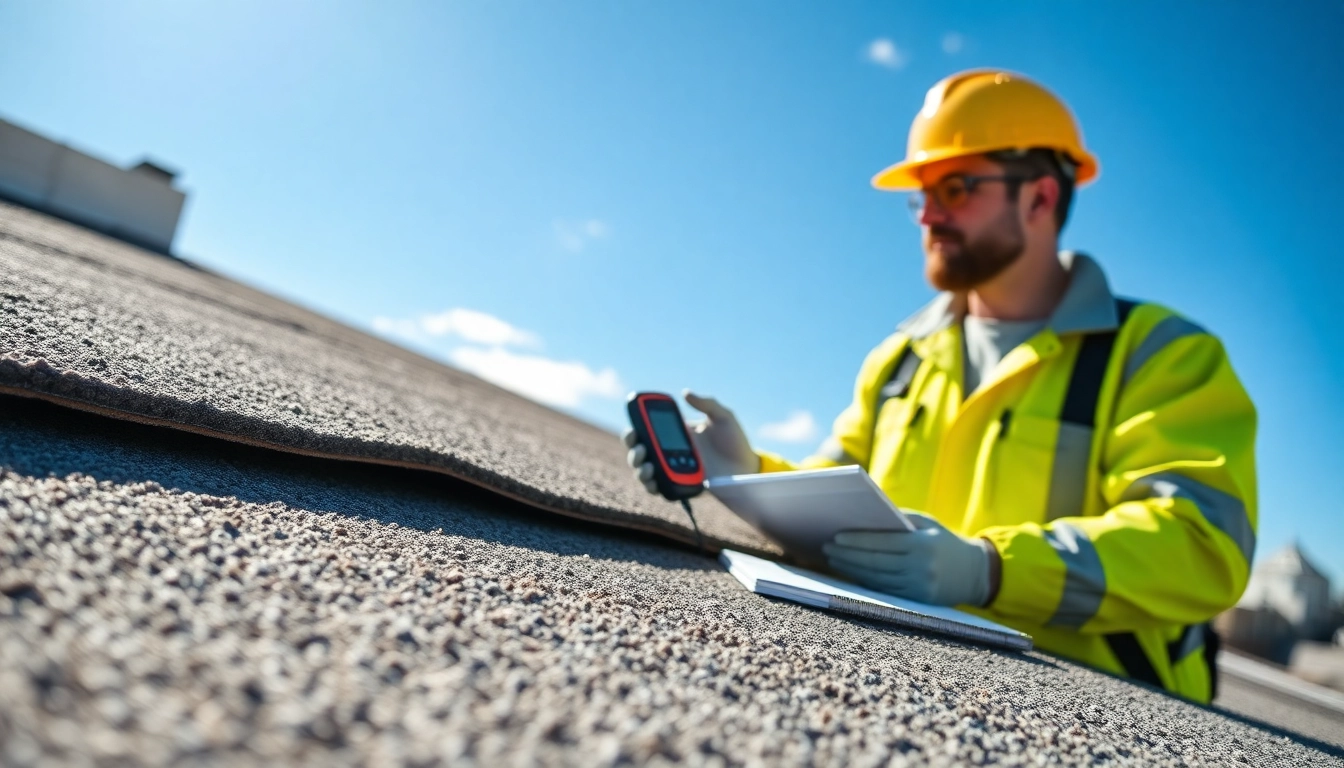
Performing a regular visual inspection is the first step in identifying spray foam roof damage. Homeowners should look for:
- Discoloration or uneven surfaces.
- Visible signs of wear around seams and edges.
- Presence of mold or mildew.
Using Technology for Assessment
Leveraging technology, such as thermal imaging, can provide deeper insights into potential issues. Thermal cameras detect temperature variations that indicate moisture intrusion, allowing for precise identification of hidden damages.
When to Call a Professional
While some inspections can be performed by homeowners, situations that require professional expertise include extensive water damage, persistent leaks, or when visible damage is accompanied by structural concerns. Consulting with a roofing expert ensures that thorough evaluations and repairs are conducted appropriately.
Repair Solutions for Spray Foam Roof Damage
DIY Repair Techniques
For minor spray foam roof damage, DIY repairs may be feasible. These may include:
- Patch Repair: Using spray foam sealant to fill small cracks or gaps.
- Surface Cleaning: Regularly cleaning the roof surface to prevent organisms that can compromise the foam.
- Reapplication of Coating: Applying a protective coating can extend the lifespan of the foam.
Professional Repair Options
For significant damage, hiring a professional is recommended. If not addressed correctly, DIY repairs may lead to further issues. Professionals can provide comprehensive solutions that may include:
- Foam Removal and Replacement: Complete removal of damaged areas followed by new foam application.
- Inspection and Maintenance: Regular checks to prevent future damage.
Choosing the Right Repair Materials
When repairing spray foam roofs, it is critical to choose the appropriate materials. Select high-quality foam and repair kits specifically designed for spray foam applications. Additionally, consider protective coatings that are compatible with SPF to ensure seamless repairs.
Protection and Preventative Measures
Regular Maintenance Routines
Establishing a regular maintenance routine is essential in preventing spray foam roof damage. Maintenance actions include:
- Conducting biannual inspections.
- Clearing debris, such as leaves or branches, off the roof.
- Maintaining drainage systems to prevent pooling water.
Seasonal Preparations for Roof Care
Adapting to seasonal changes ensures proactive care. For instance, prior to winter, ensure gutters are clear to prevent ice dams, while in summer, apply protective coatings to reflect UV rays and minimize heat absorption.
Investing in Protective Coatings
Lastly, applying a protective coating can significantly enhance the lifespan of a spray foam roof. These coatings shield against UV rays, moisture, and other damaging elements, reducing the likelihood of damage occurring.
Frequently Asked Questions
What are the common signs of spray foam roof damage?
Common signs include cracks and gaps in the foam, visible bubbling, water stains inside the building, and increased energy bills.
Can I repair my spray foam roof myself?
Minor damage can often be repaired with DIY techniques, such as patching small cracks. However, extensive damage should be handled by professionals.
How often should I inspect my spray foam roof?
It’s advisable to inspect your spray foam roof at least twice a year and after severe weather conditions to ensure it remains in good condition.
What are the long-term effects of ignoring spray foam roof damage?
Ignoring damage can lead to structural issues, increased energy costs, and potentially costly repairs or roof replacement down the line.
What materials should I use for repairing spray foam roofs?
Use high-quality spray foam repair kits and coatings that are compatible with existing spray foam material for the best results.