
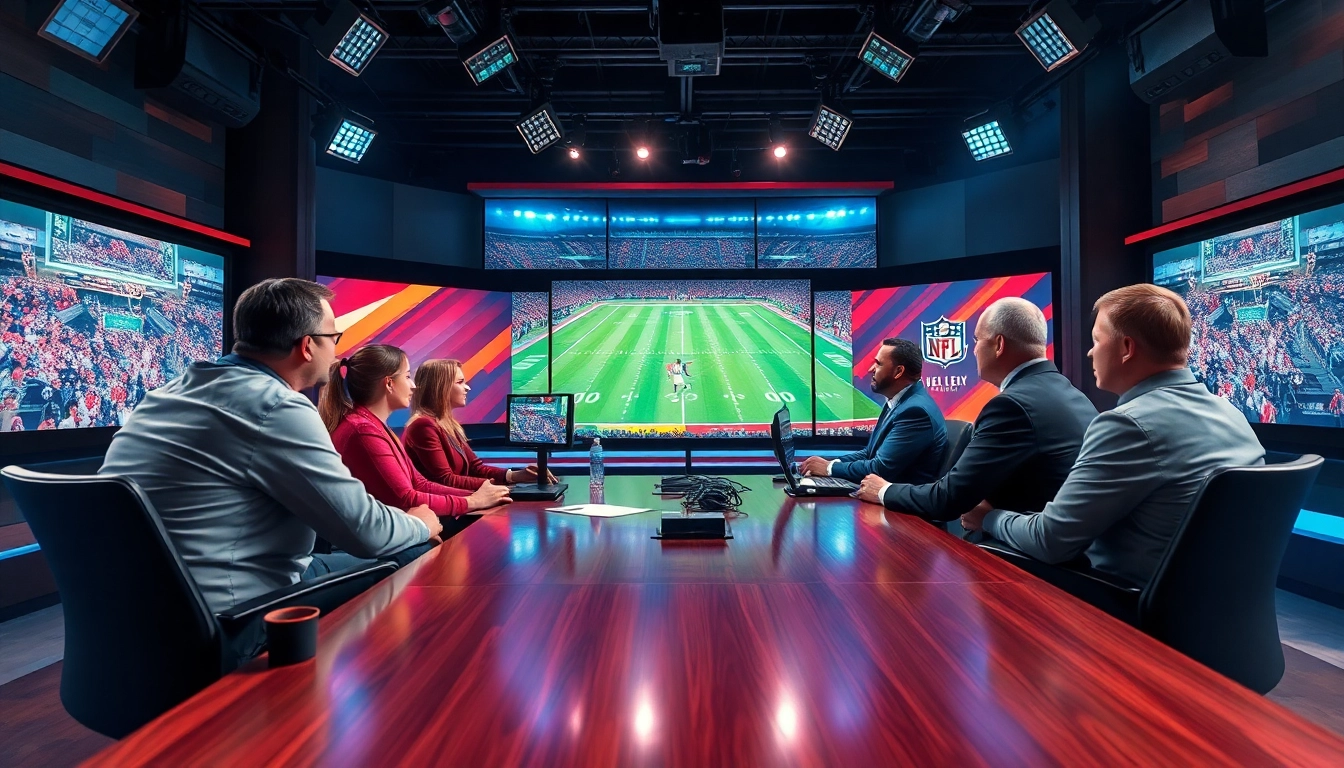
Understanding Sports Broadcasting
Definition and Importance of Sports Broadcasting
Sports broadcasting refers to the dissemination of sporting events and commentary through various media channels, including television, radio, and online platforms. It serves as a crucial bridge connecting fans, athletes, and stakeholders, enriching the sports experience and providing real-time updates and insights. The significance of sports broadcasting lies not only in entertainment but also in fostering sports culture, enhancing audience engagement, and driving commercial opportunities. For those interested in the evolving landscape of Sports Broadcasting, understanding its fundamentals is key to appreciating its vast potential.
History and Evolution of Sports Broadcasting
The journey of sports broadcasting began in the early 20th century. The first radio broadcasts of sporting events occurred in the 1920s, with baseball being the primary focus. The transition to television in the 1950s marked a significant leap, bringing sports into homes across the globe. Initially, broadcasts were basic, focusing solely on the sport itself. However, technological advancements have since transformed the medium, introducing multi-camera coverage, instant replays, and advanced graphics. As digital streaming platforms emerged, sports broadcasting evolved further, enabling on-demand content consumption and personalized viewing experiences. Today, it continues to adapt to audience preferences, leveraging social media and interactive features to maintain relevance.
Key Players in the Sports Broadcasting Industry
The sports broadcasting landscape is populated by various key players, including major television networks, streaming services, and sports leagues. Networks such as ESPN, NBC Sports, and Fox Sports dominate traditional broadcasting, providing extensive coverage and insightful commentary. In contrast, digital platforms like Amazon Prime and DAZN are reshaping the industry with innovative streaming solutions. Moreover, sports leagues themselves, such as the NFL and NBA, have increasingly taken control of their broadcasting rights, paving the way for direct engagement with fans. Additionally, sports personalities, commentators, and analysts play vital roles in shaping viewer perceptions and experiences.
Essential Skills for Sports Broadcasters
Technical Skills Needed for Sports Broadcasting
Technical expertise is fundamental for sports broadcasters, encompassing a range of proficiencies from camera operation to sound engineering. Understanding the intricacies of live transmission technology, including satellite and streaming platforms, is paramount. Knowledge of graphics software and video editing tools allows broadcasters to create compelling content that enhances viewer engagement. Furthermore, familiarity with the various data analytics tools employed in sports can help broadcasters deliver richer insights and contextual analysis, appealing to a more informed audience.
Communication and Presentation Skills in Broadcasting
Effective communication is at the heart of successful sports broadcasting. Broadcasters must articulate complex sports narratives clearly and concisely while engaging viewers. This requires not only a command of language but also the ability to invoke emotion and excitement in their delivery. Presentation skills, including body language and voice modulation, play crucial roles in captivating an audience. Broadcasters must also be adept at responding to unexpected developments live on air, showcasing their poise, adaptability, and professionalism.
Understanding Audience Engagement in Sports Broadcasting
Understanding audience dynamics is essential for broadcasters aiming to build a loyal viewer base. This involves recognizing the preferences and behaviors of different demographic segments, such as age groups, geographic regions, and interests. Techniques such as social media interaction, live polling during events, and post-event analysis can significantly enhance audience engagement. A broadcaster’s ability to create content that resonates and fosters community among fans can lead to increased viewer retention and satisfaction over time.
Technology and Equipment in Sports Broadcasting
Latest Innovations in Broadcasting Technology
The sports broadcasting industry is continually evolving, driven by innovations in technology. Innovations such as augmented reality (AR) and virtual reality (VR) are revolutionizing how fans experience sports. These technologies enable immersive viewing experiences that were previously unimaginable, such as virtual stadium tours or player perspectives during live events. Additionally, advancements in artificial intelligence are streamlining the broadcasting process, from automated highlights generation to personalized content recommendations for viewers.
Essential Equipment for Quality Sports Broadcasting
Quality sports broadcasting relies heavily on advanced equipment. High-definition cameras are critical for capturing fast-paced action, while drones offer unique aerial perspectives. Sound equipment, including directional microphones, ensures that commentators can deliver commentary clearly without interference. Moreover, switching equipment that can seamlessly transition between multiple camera angles enhances the viewing experience by providing varied perspectives. A well-rounded understanding of available equipment is essential for broadcasters to deliver high-caliber productions.
Software Solutions for Effective Sports Broadcasting
Software plays an integral role in sports broadcasting, aiding in various aspects from production to analytics. Broadcasting software such as vMix or OBS allows for efficient live streaming, providing tools for graphics overlays and multiple video sources. Editing software, including Adobe Premiere Pro, is essential for producing highlights and recaps. Additionally, analytics platforms like Google Analytics track audience engagement, helping broadcasters assess performance and refine strategies. Leveraging these software solutions can significantly enhance the quality and efficiency of broadcasts.
Challenges in Sports Broadcasting
Navigating Regulatory Challenges in Broadcasting
The sports broadcasting industry faces numerous regulatory challenges that can impact operations. Compliance with licensing, content rights, and broadcasting regulations requires broadcasters to stay informed and adaptable. Issues surrounding copyright, especially with highlights on social media, pose significant challenges. Additionally, broadcasters must navigate the complex landscape of international regulations when covering global events. Establishing strong legal protocols and relationships with governing bodies is essential to mitigate these challenges and ensure compliance.
Managing Live Events and Unexpected Issues
Live events are unpredictable, and managing unforeseen circumstances is a critical skill for sports broadcasters. Factors such as technical failures, weather disruptions, or unexpected game outcomes can greatly impact live broadcasts. Broadcasters must be prepared with contingency plans, including backup equipment and robust communication strategies. Quick-thinking and problem-solving skills are essential, alongside the ability to maintain viewer engagement, even during technical difficulties. Establishing strong support teams can also help mitigate these challenges effectively.
Adapting to Changes in Audience Preferences
The rapidly changing landscape of audience preferences poses a challenge for sports broadcasters. Viewers now expect personalized content, on-demand access, and interactive experiences. Broadcasters must be attuned to these shifts, leveraging audience feedback and data analytics to refine their offerings. Developing innovative content formats, such as behind-the-scenes access or interactive fan experiences, can help broadcasters stay relevant and cater to evolving expectations. Regularly refreshing content and exploring new platforms can also enhance audience reach and engagement.
Measuring Success in Sports Broadcasting
Key Performance Indicators for Broadcasters
Measuring success in sports broadcasting involves analyzing various key performance indicators (KPIs). Ratings and viewership numbers are fundamental metrics, providing insights into audience engagement. Social media interactions, including likes, shares, and comments, offer additional perspectives on audience sentiment. Revenue generated through advertising and sponsorship deals is also a critical measure of success. Implementing a comprehensive framework for tracking these KPIs enables broadcasters to assess performance and make data-driven decisions for future broadcasts.
Strategies for Analyzing Audience Metrics
Analyzing audience metrics requires robust data collection and interpretation strategies. Employing advanced analytics tools enables broadcasters to capture viewer demographics, engagement patterns, and feedback comprehensively. Segmenting audience data by different criteria, such as time of day or platform, can reveal valuable insights into viewing behavior. Regularly conducting surveys or polls can also help gather direct feedback from the audience regarding content preferences and overall satisfaction. This analytical approach is essential for refining broadcasting strategies and enhancing viewer experience.
Continuous Improvement in Sports Broadcasting
Continuous improvement is vital for maintaining relevance in the competitive sports broadcasting landscape. This involves regularly revisiting and adjusting broadcasting strategies based on viewer feedback, market trends, and technological advancements. Professional development through workshops, training, and networking opportunities can bolster the skills of broadcasters, fostering innovation and excellence. Additionally, establishing a culture of collaboration among team members can lead to more creative and effective approaches to producing high-quality broadcasts that resonate with audiences.
Frequently Asked Questions (FAQs)
What is sports broadcasting?
Sports broadcasting involves the distribution of live sports events and commentary through media channels like TV, radio, and online platforms.
How has technology impacted sports broadcasting?
Technology has revolutionized sports broadcasting, introducing innovations like AR, VR, and advanced analytics that enhance viewer experiences and engagement.
What skills are essential for sports broadcasters?
Essential skills include technical knowledge, strong communication, presentation abilities, and an understanding of audience engagement strategies.
What are the biggest challenges in sports broadcasting?
Challenges include regulatory compliance, managing live events, and keeping pace with changing audience preferences and expectations.
How can success in sports broadcasting be measured?
Success can be measured using KPIs such as viewership ratings, social media interaction metrics, and revenue from advertising and sponsorships.